Designing the most practicalUX framework
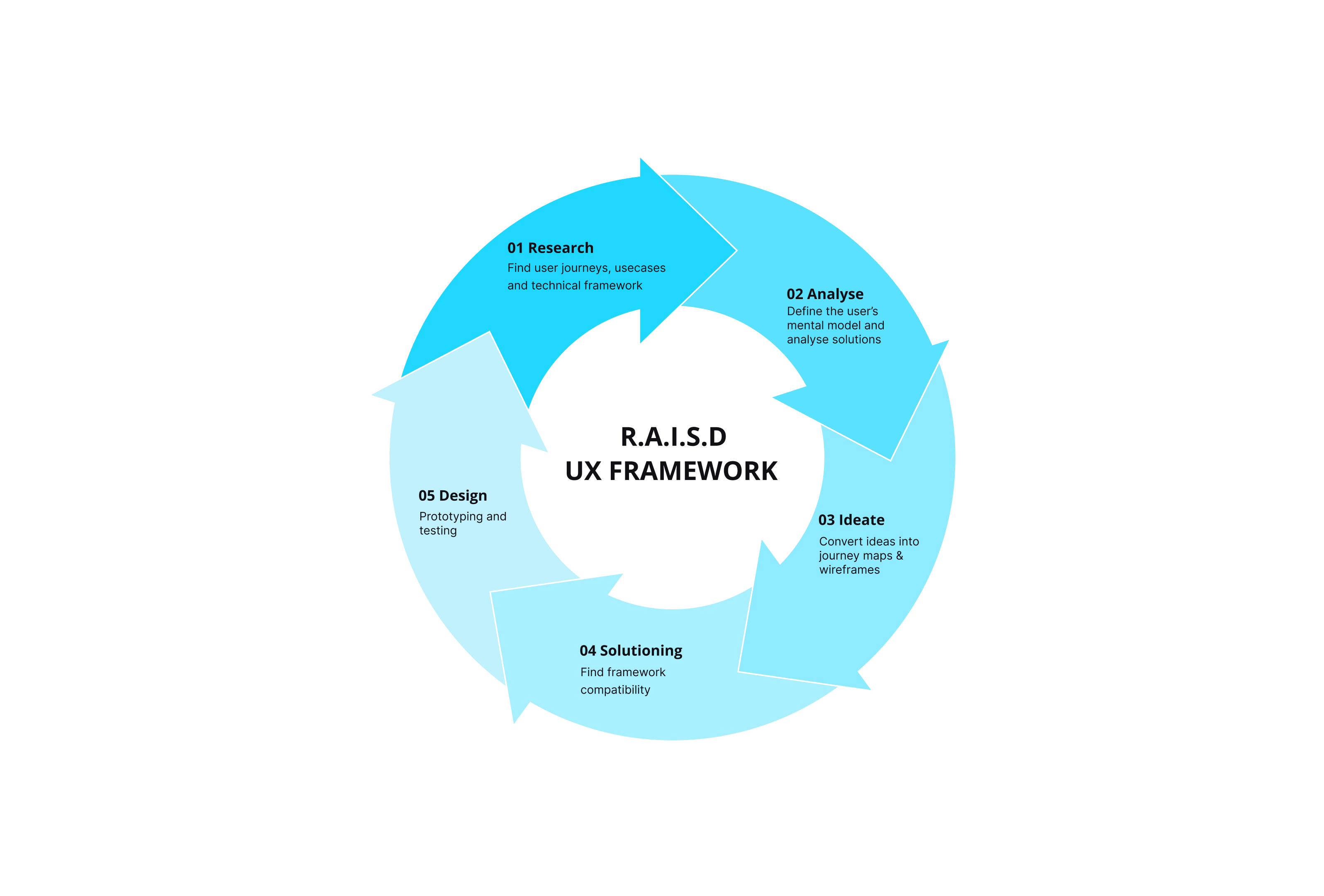
Designed to tackle real-world challenges, RAISD stands out as an agile, disruptive, and highly practical UX framework. With a comprehensive set of viable research methods, processes, and protocols, it seamlessly integrates into any project stage.
01. Research
Research plays a critical and foundational role in understanding how proposed product solutions and technology work for real users. We define user journeys using the following two methods: 1. Triggers and 2. Effects, to uncover insights...
Triggers
Triggers are the techniques employed to uncover the origins of use cases. It involves a quantitative study of user cohorts and their behaviors on a larger scale.
Effects
Effects help us understand the motivations behind use cases and user journeys. They reveal the reactions of both users and the system at that particular moment in the product.
02. Analyse
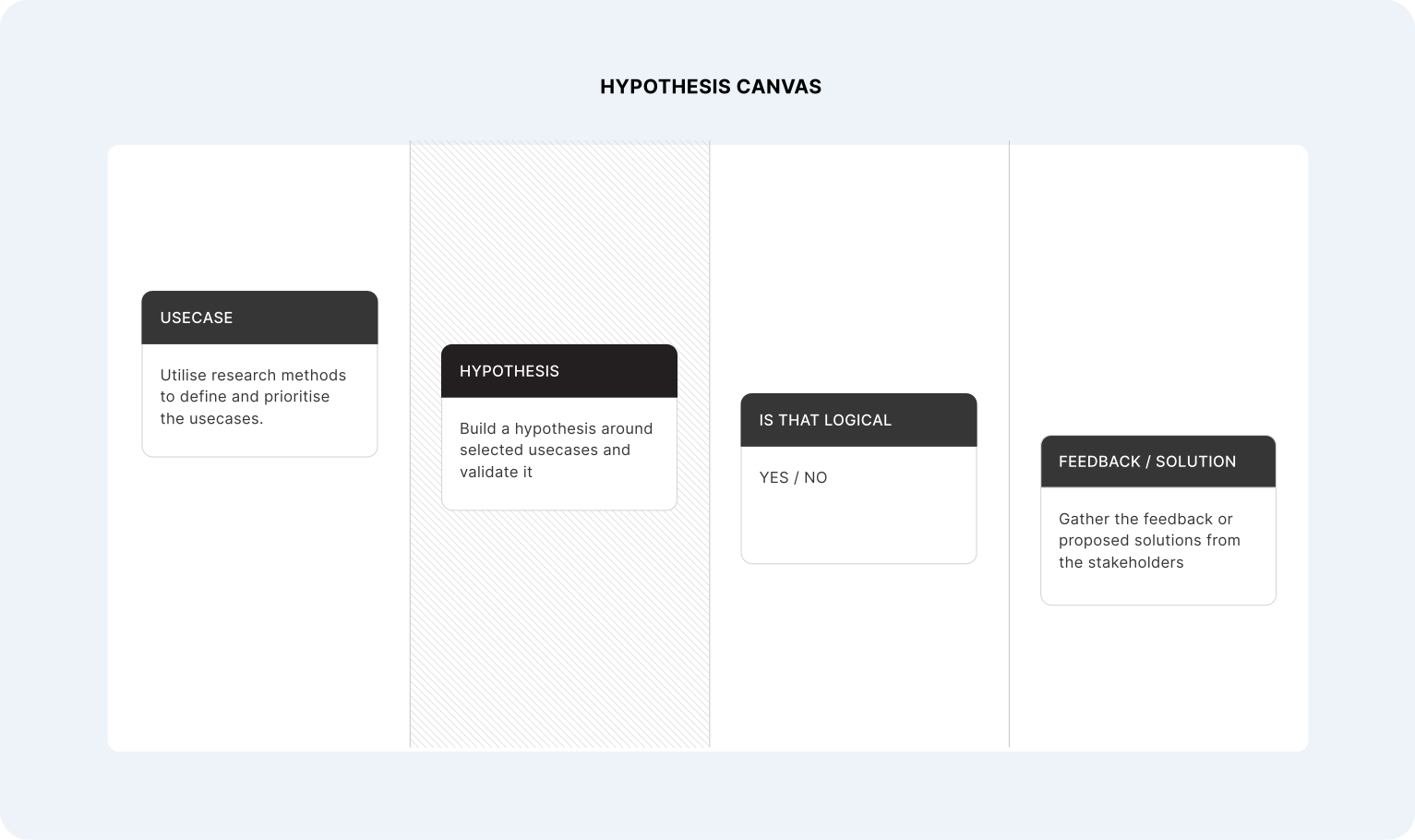
Analyse is the concurrent phase during the research in which we attempt to connect triggers and effects to identify the user and system events in specific use cases. We create a hypothesis canvas and establish a feedback loop with the stakeholders to analyse possible solutions
Hypothesis
A hypothesis is a proposed mental model and an assumption of the expectations and reactions of the users in those use cases.
Feedbacks
Feedback involves validating the hypothesis and findings with subject matter experts and stakeholders.
03. Ideate
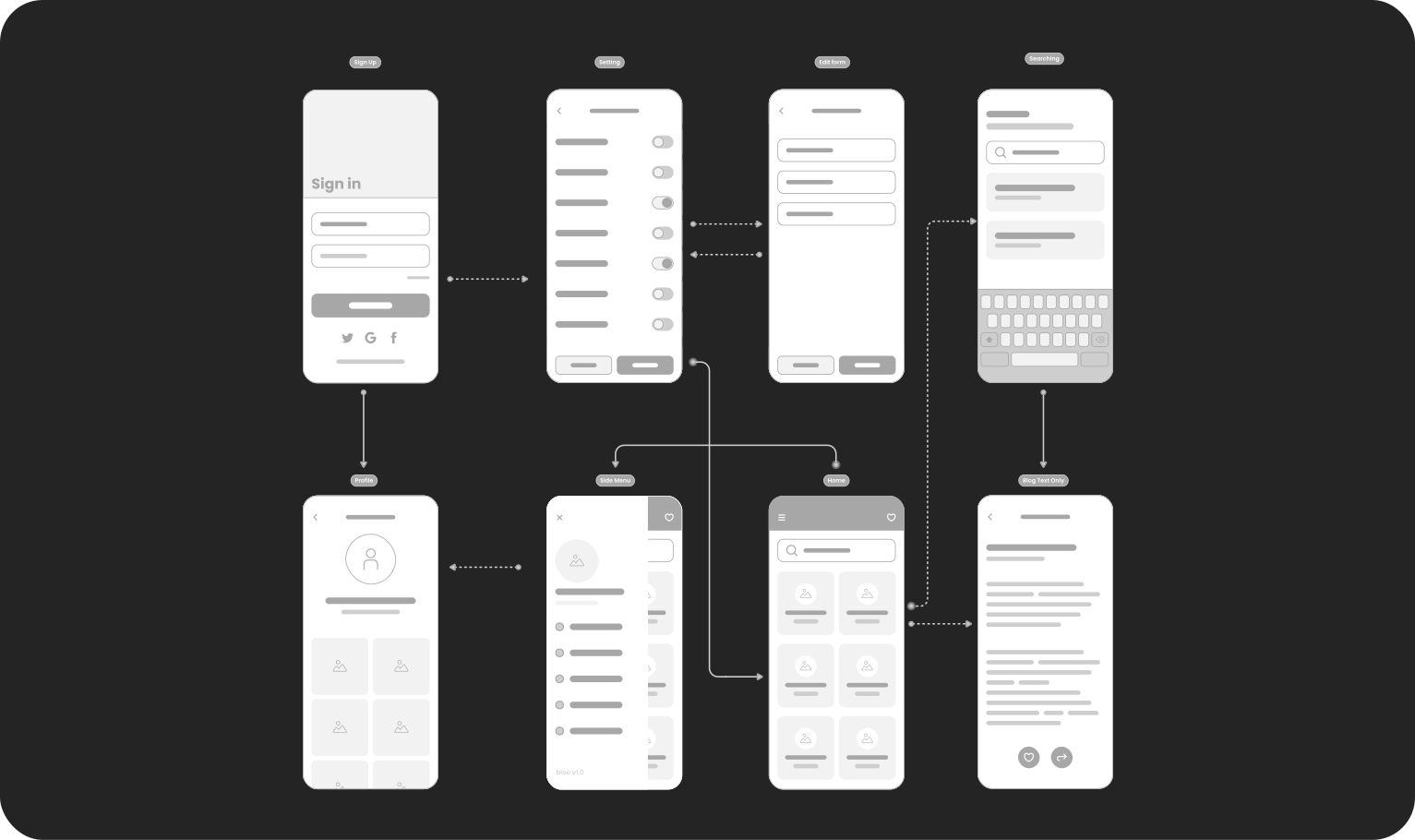
The most exciting phase in the process is when we map user journeys to ideal hypotheses and design wireframes to propose the desired solutions. It's a highly iterative process involving brainstorming, a feedback loop, prototyping, and experimentation with stakeholders, and sometimes, real users.
1. Journey Maps
An efficient and quick way to visualize how users will interact with your product.
2. Wireframing
We work on low-fidelity wireframes or paper prototypes to iterate quickly in a feedback loop.
04. Solutioning
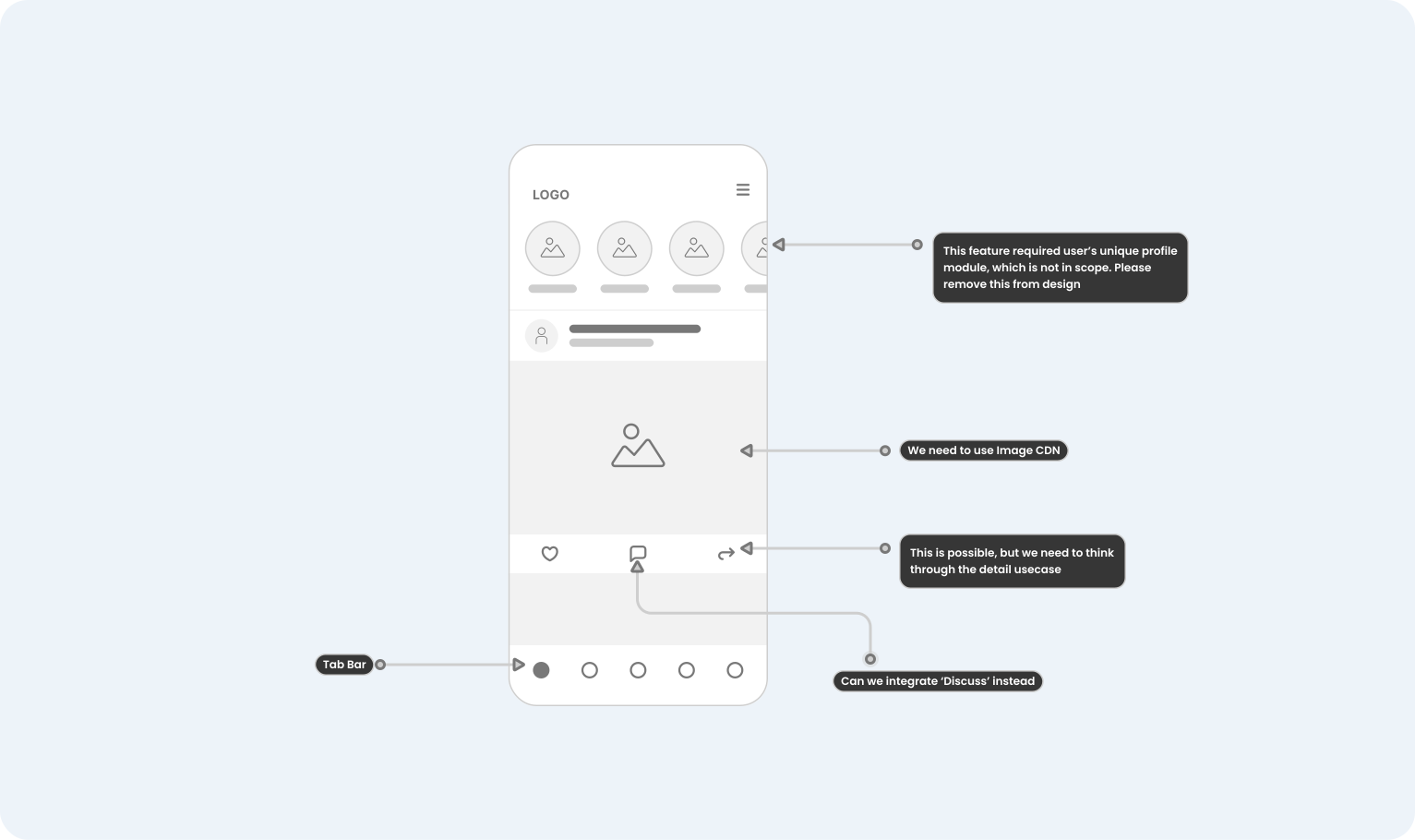
Solutioning is a crucial phase in the process where we collaborate with the tech teams to discuss journey maps and wireframes, aiming to understand technical limitations and explore alternative solutions. This agile approach helps us identify potential blockers in the early stages before the actual design process begins.
04. Design
The final but still iterative phase involves converting wireframes into high-fidelity designs while considering branding standards and the design system. We collaborate with all stakeholders for approval and then engage with users to test the user experience using clickable interactive prototypes.