Building an AI-powered logistics application.

The Challenge
This project spans three continents, and each country uses various legacy applications for customs clearance. The complex process of managing and updating shipment entries in these legacy applications negatively affects business functions. Consequently, the client seeks a unified cloud application to manage shipments end-to-end and eliminate these discrepancies.
Services
/ Strategy
Localisation
Simple generic UI
Component driven architecture
Feedback loop using prototyping
/ Our Approach
Localization and a simple generic user interface are crucial components, particularly as we target diverse regions with intricate data structures. Our goal was to establish an effortlessly configurable and scalable user interface. To accomplish this, we strategically implemented a comprehensive design system, applying it through meticulously defined components.
/ Research
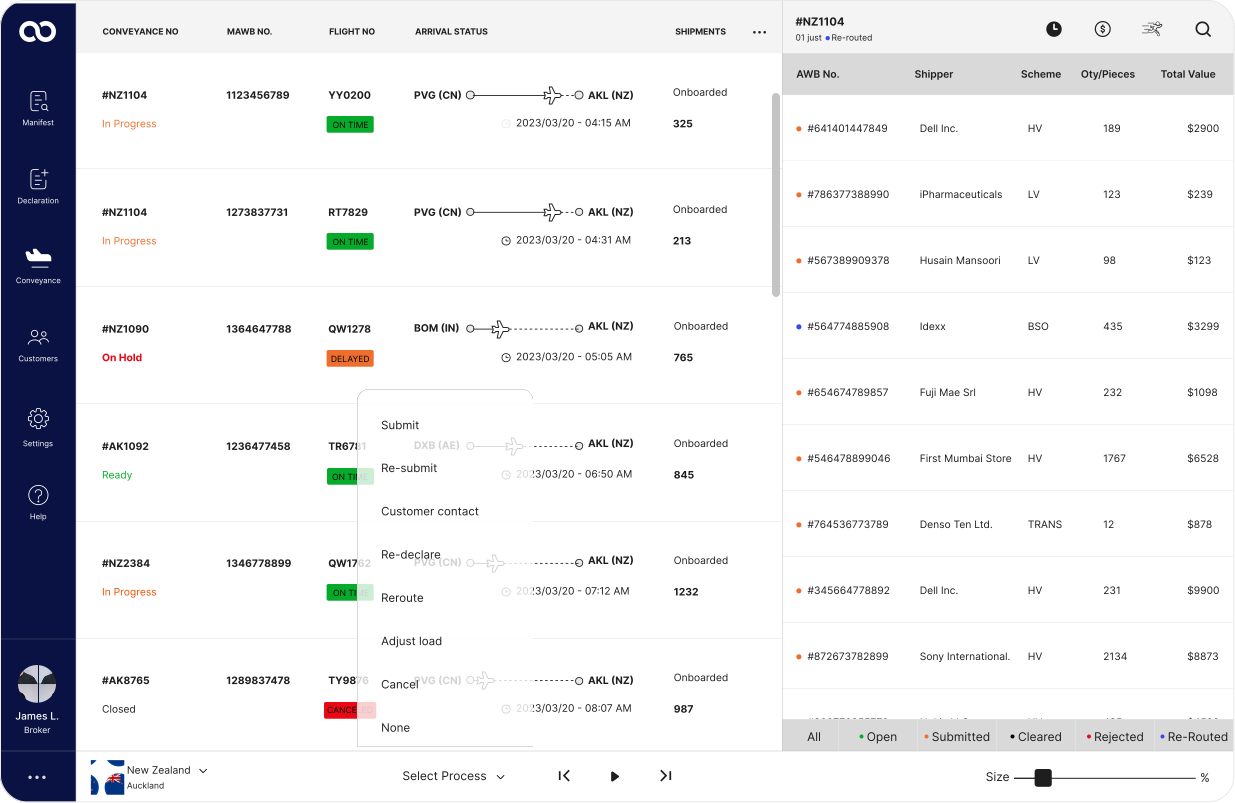
AI to remove complexity
Automation is the key in this project. We identify sequential workflows using AI/ML and build snippets from them. Users can then run these snippets to execute processes and perform tasks. This approach helps us remove unnecessary complexity and achieve user control, enhance the user experience, and attain scalability simultaneously.
/ Solution
AI to remove complexity
Automation is the key in this project. We identify sequential workflows using AI/ML and build snippets from them. Users can then run these snippets to execute processes and perform tasks. This approach helps us remove unnecessary complexity and achieve user control, enhance the user experience, and attain scalability simultaneously.
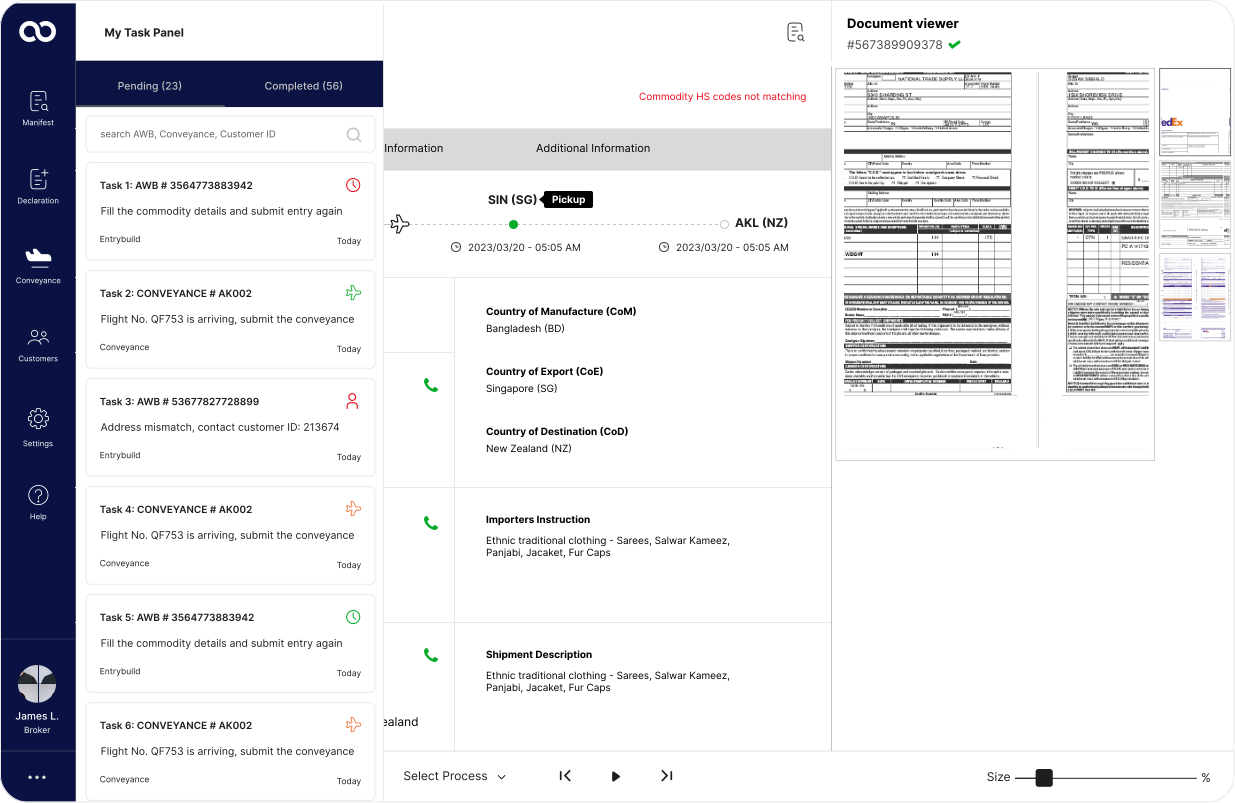
Task management
During user interviews one common issue we heard was the difficulties in managing various tasks. Previously tasks was status driven and it's creation was manual. Now using AI we predict the next step and system creates a task automaticaly for the users. It helps to save user time and eliminate the errors in the process.
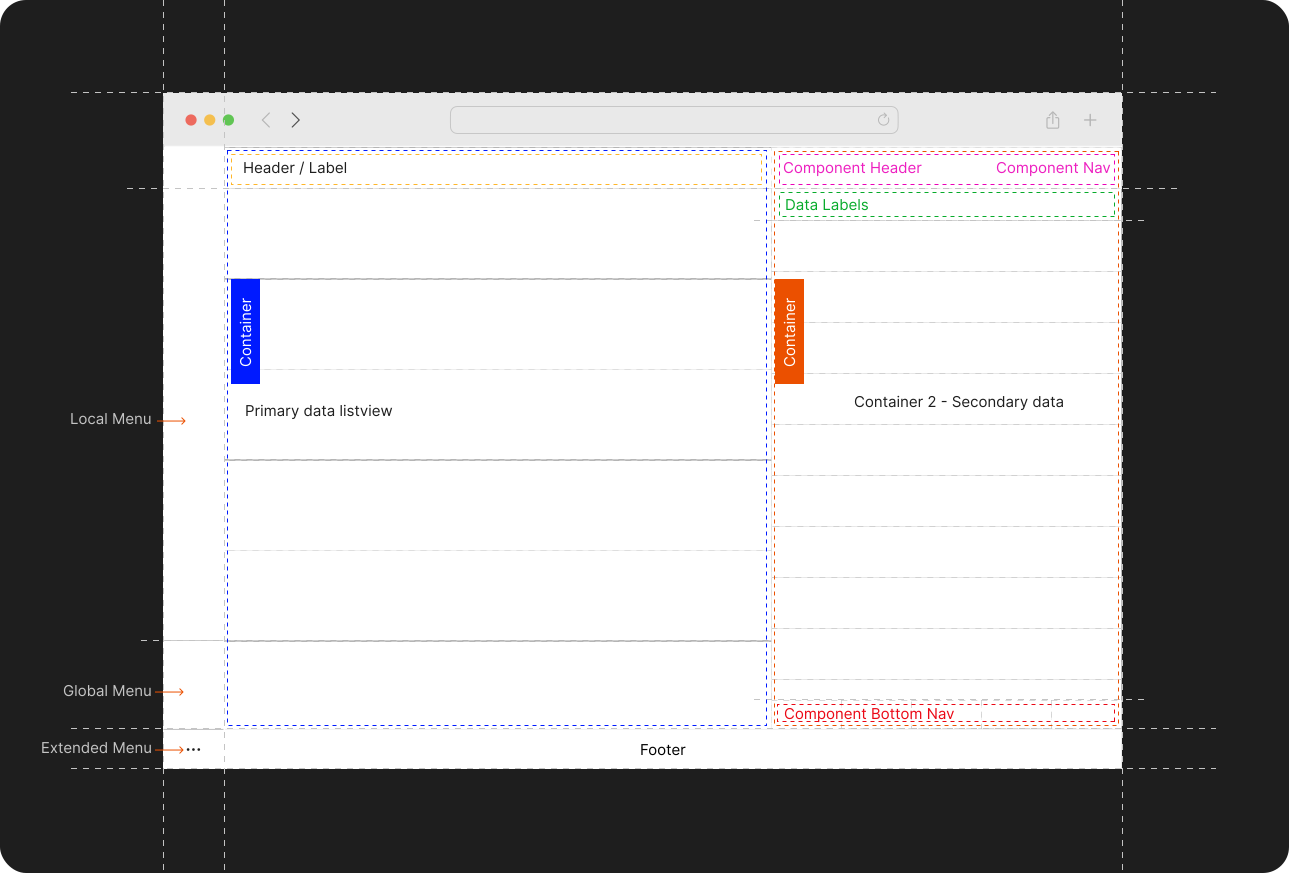
Scalable and progressive UI
During our research in regions such as Singapore, New Zealand, and the USA, we discovered that there is no similarity in their processes. As a result, we designed the base UI as templates with responsive containers using a flexbox framework. These templates can accommodate a wide range of custom, country-specific components.
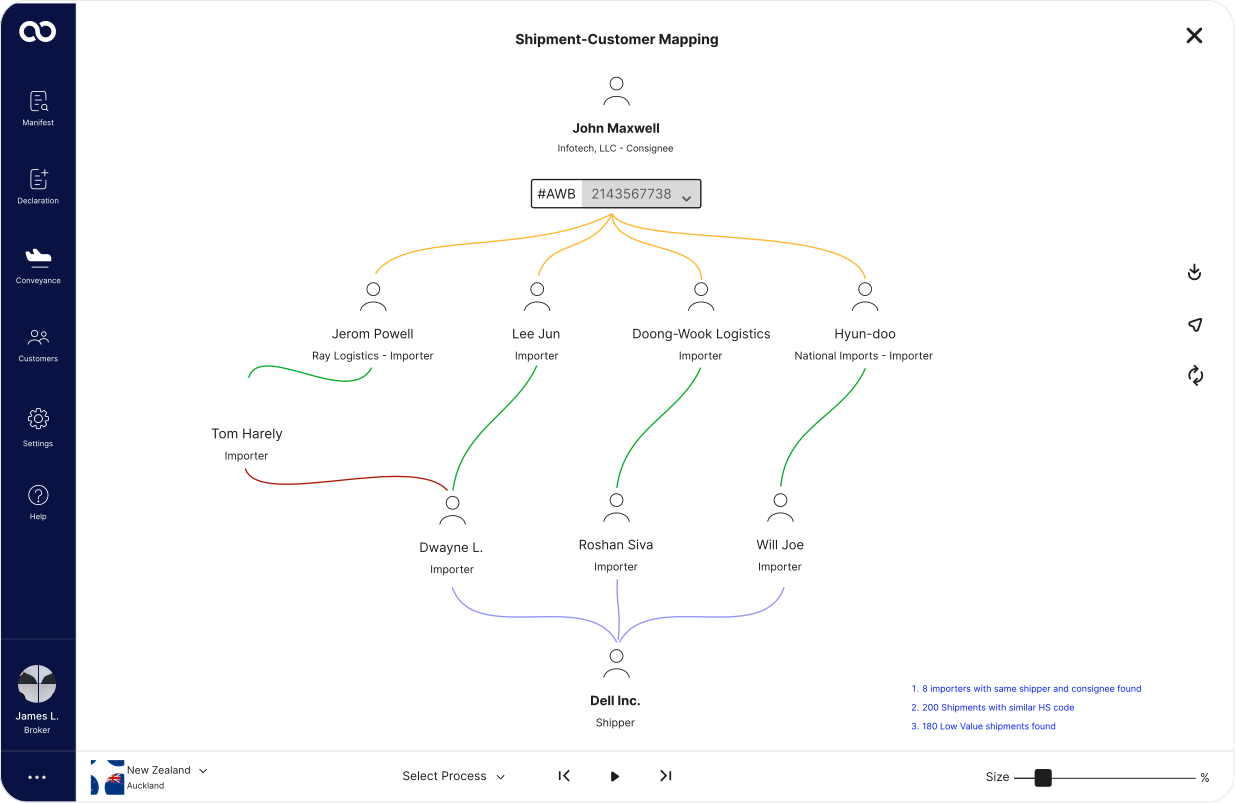
Fraud detection and prevention
Our primary objective with this module was fraud detection. Shippers were subdividing large shipments into smaller, lower-value ones, impacting revenue. To address this, we crafted user mental models and journeys, collaborating with the compliance department to develop use cases. This module establishes connections between shippers and consignees for a selected shipment, aiming to identify instances where consignees import similar goods through multiple importers to evade duty and taxes.